
Tree Care & Education in St George
Our tree care education center is designed to help homeowners in St. George, Washington, and Hurricane better understand how to care for their trees in Southern Utah’s unique climate.
Whether you’re looking for tree pruning guidance, insect prevention tips, or solutions for ornamental fruit mess, our expert arborists break it down in simple, practical terms.
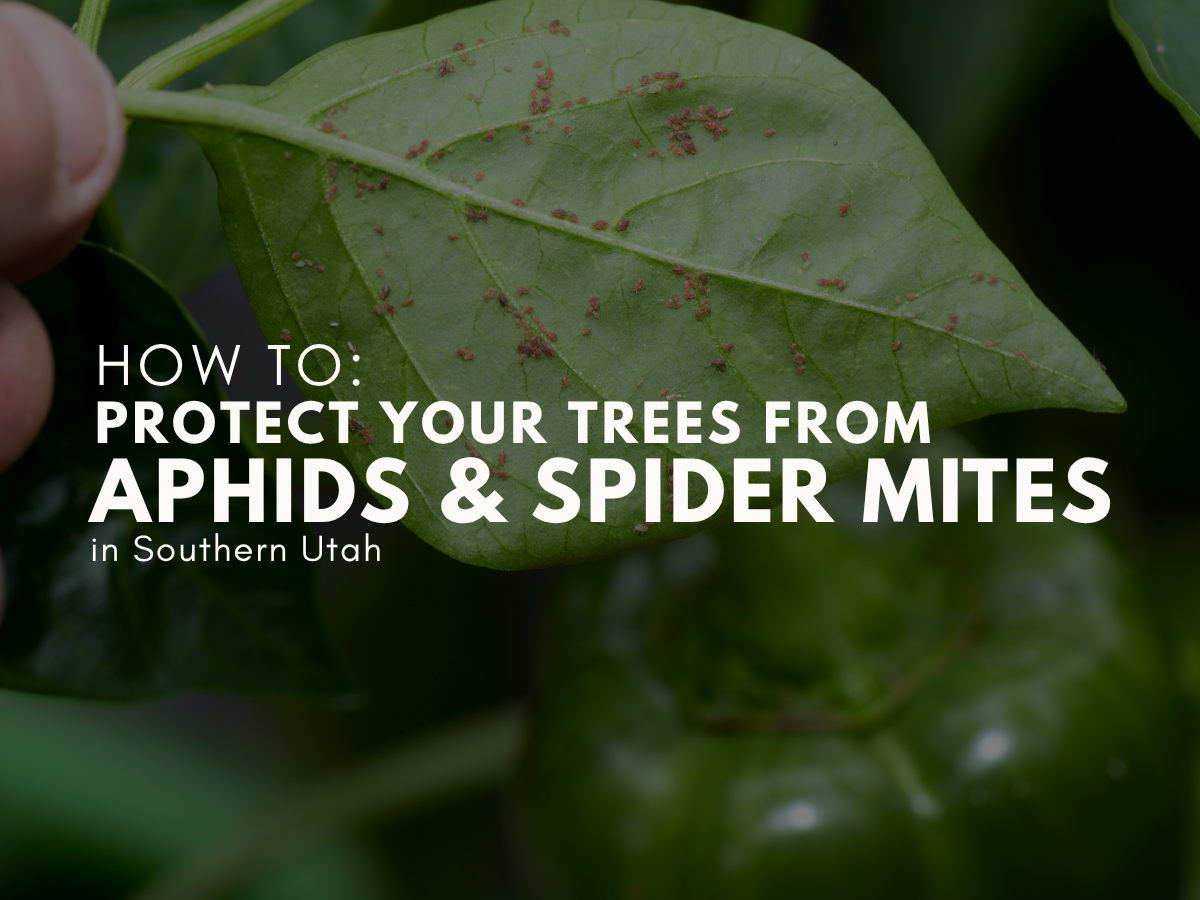
How to Protect Your Trees from Aphids & Spider Mites in Southern Utah
If your trees are developing yellow leaves, sticky residue, thinning foliage, or webbing, insects may already be damaging your landscape.
In Southern Utah, two of the most common tree pests we see are:

The Ultimate Tree Watering Guide for Southern Utah
How to Properly Water Trees in St. George, Hurricane & Washington County
If you live in Southern Utah, watering your trees correctly can mean the difference between a healthy landscape and a dying tree.
Unfortunately, most homeowners in St. George, Hurricane, Washington City, Ivins, and Silver Reef are unknowingly watering incorrectly — especially during the extreme summer heat.
Protect Your Trees from Extreme Heat in Southern Utah
If you’ve ever asked yourself, “why is my tree dying in ” — you’re not alone.
Extreme heat, dry soil, and intense sun exposure make it difficult for trees to survive in Southern Utah, especially during peak summer months in St. George, Washington City, and Hurricane.
Is My Tree Dying? A Southern Utah Homeowner’s Guide to Tree Health & Diagnosis
Trees are a major investment in your landscape—but when something starts to look off, it can be hard to know what’s normal and what’s a serious problem.
In Southern Utah, especially in areas like St. George, Washington City, and Hurricane, trees face unique challenges due to heat, drought, soil conditions, and seasonal pest activity.
If you’ve found yourself asking, “Is my tree dying?”—you’re not alone.
Tree Care in Southern Utah: A Complete Guide for Washington County Homeowners
Trees are one of the most valuable parts of any landscape in Southern Utah. They provide shade during hot summers, improve curb appeal, and add long-term value to your property.
Protect Your Trees Before Pest Season Starts
Spring is when many of the insects that damage trees begin to hatch. Preventative treatments applied at the right time can stop infestations before they begin and help keep your trees healthy throughout the growing season.
If you want to protect your landscape before pest problems appear, our team can help.
Seasonal Tree Care Calendar for Southern Utah
Southern Utah’s climate brings hot summers, mild winters, and early springs. Because of this, tree care timing can be different here than in other parts of the country. Following a seasonal maintenance plan helps keep trees healthy and prevents many common problems before they start.
Here’s a general guide to tree care throughout the year.
When to Prune Trees in Southern Utah: A Homeowner’s Guide for Washington County
Trees are one of the most valuable parts of a Southern Utah landscape. They provide shade during our hot summers, improve curb appeal, and can increase the value of your property. But like any living part of your yard, trees require regular care to stay healthy and safe.
One of the most common questions homeowners ask is:
“When should I prune my trees in Southern Utah?”
Spring Tree Insect Prevention in Southern Utah: Protect Your Trees Before Bugs Hatch
Spring in Southern Utah is when landscapes really come back to life. Trees begin leafing out, flowers start blooming, and warmer temperatures make it the perfect time to enjoy your yard again.
But as temperatures rise, another seasonal change happens at the same time.
Tree insects begin to wake up.
Preventing Ornamental Fruit Mess in Southern Utah: A Guide for Washington County Homeowners
Spring in Southern Utah brings some of the most beautiful moments in the landscape. Trees begin blooming, temperatures warm up, and neighborhoods throughout St. George, Washington City, Hurricane, and surrounding Washington County communities start to come alive again.
But for many homeowners, those beautiful spring blooms eventually turn into a frustrating problem.
Why Winter Is the Safest Season for Large Tree Removals
Removing a tree is never anyone’s favorite project, but sometimes it’s the safest and most responsible choice—especially when a tree is dead, declining, or posing a risk to your home. What many homeowners don’t realize is that winter is actually the ideal time to take care of large removals. The conditions are better, the process is smoother, and the impact on your landscape is significantly reduced.
If you’ve been putting off a removal, here’s why winter is the season that makes everything easier.
The Benefits of Winter Root Care You Probably Haven’t Considered
When people think about winter tree care, they usually picture pruning, storm cleanup, or checking for broken limbs. But the real action during winter is happening underground. Even though your tree looks dormant above the surface, the root system is still active—absorbing moisture, storing energy, and preparing for spring growth.
Ignoring root health in winter can leave your trees stressed when warm weather returns. Giving the root zone a little attention now can make a noticeable difference in how your landscape performs all year.
How to Tell If a Tree Is Dormant or Dying in Winter
Winter has a way of making every tree look a little lifeless. Bare branches, dull bark, and zero growth can leave homeowners wondering whether their tree is simply resting for the season or actually in decline. The good news is that there are reliable signs that help you tell the difference, and most of them are easy to check from the ground.
Here’s how to know what’s normal winter dormancy—and what’s a red flag.
Why Winter Is the Perfect Time for Structural Pruning
Most people think pruning is something you do in spring, right when everything starts waking up. But the truth is, winter is actually one of the best times to shape, strengthen, and protect your trees. With the leaves gone and the tree fully dormant, arborists can see the structure clearly and make precise cuts that set the tree up for healthier growth all year long.
Winter Storm Damage: What To Do When Your Trees Take a Hit
Winter in Southern Utah may not be extreme, but heavy snow, sudden freezes, and strong winds can still leave your trees looking rough. Some damage is obvious, like a broken limb on the ground. Other times, the signs are subtle—small cracks, leaning, or branches that suddenly look stressed. Winter is when hidden weaknesses finally show up, and catching them early can prevent bigger problems in spring.

The Hidden Dangers of Snow Load on Weak Limbs
Winter in Utah can be breathtaking—but it also brings heavy snow, ice, and wind that can wreak havoc on your trees. While a fresh snowfall may look serene, the weight it adds to tree limbs can cause serious damage, especially if those limbs are already weak or compromised.
Winter Tree Care—What You Can Do Now
As the temperatures drop and your landscape begins to quiet down, it’s easy to assume your trees are fine on their own. After all, they’ve survived winters before, right? But even dormant trees face a range of seasonal stressors that can affect their health, structure, and long-term vitality. That’s why fall is the perfect time to take action.
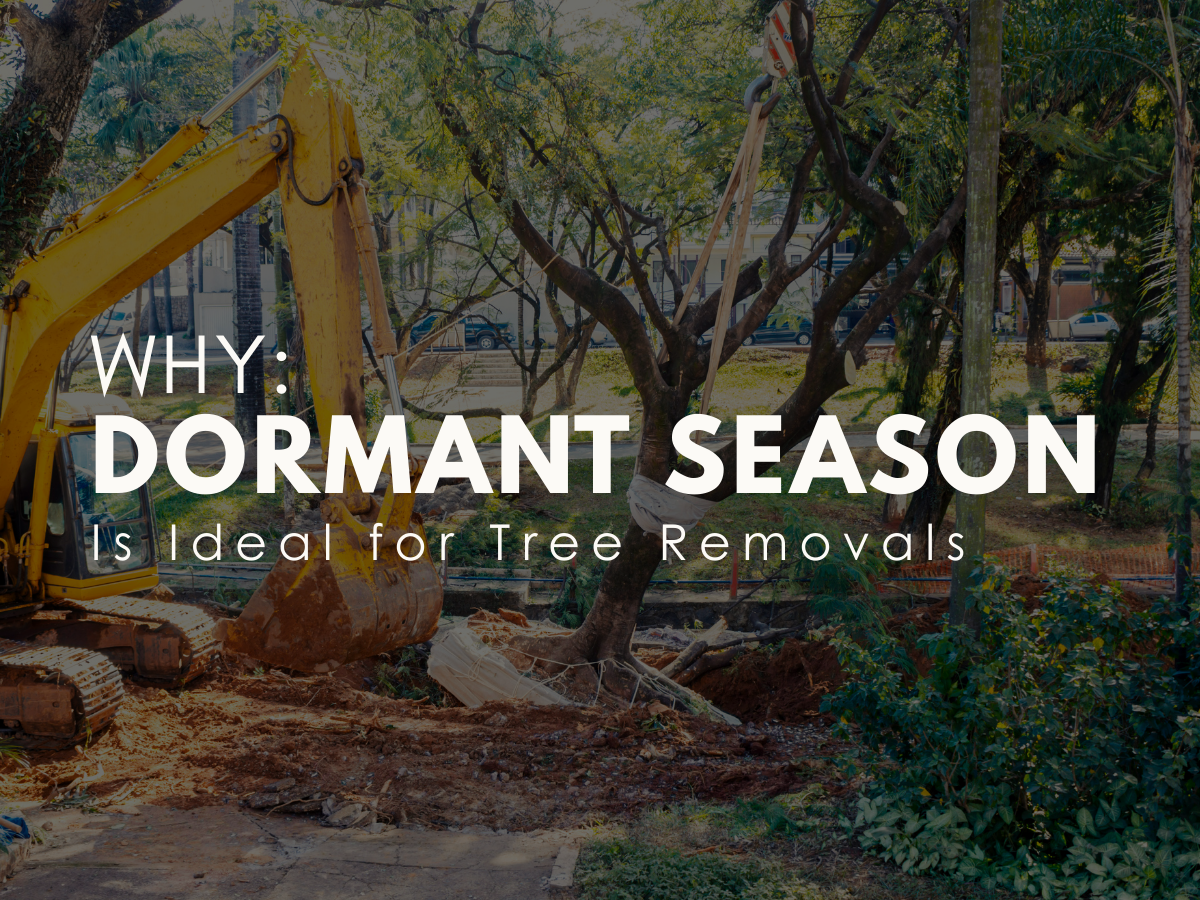
Why Dormant Season Is Ideal for Tree Removals
When most people think about tree removal, they picture crews working in the spring or summer. But winter—especially during the dormant season—is actually one of the best times to remove trees. If you’ve been putting off a removal, fall and winter offer unique advantages that make the process smoother, safer, and often more cost-effective.

How Stump Grinding Helps Prevent Pest Infestations
When most people think about tree removal, they picture crews working in the spring or summer. But winter—especially during the dormant season—is actually one of the best times to remove trees. If you’ve been putting off a removal, fall and winter offer unique advantages that make the process smoother, safer, and often more cost-effective.
Preparing Young Trees for Harsh Winter Conditions
Planting young trees is an investment in the future of your landscape. They bring beauty, shade, and ecological benefits—but they’re also vulnerable. As winter approaches, it’s important to recognize that young trees face unique challenges that mature trees are better equipped to handle. Without proper protection, cold weather can stunt their growth or even kill them.